Foreword by Joseph McBride
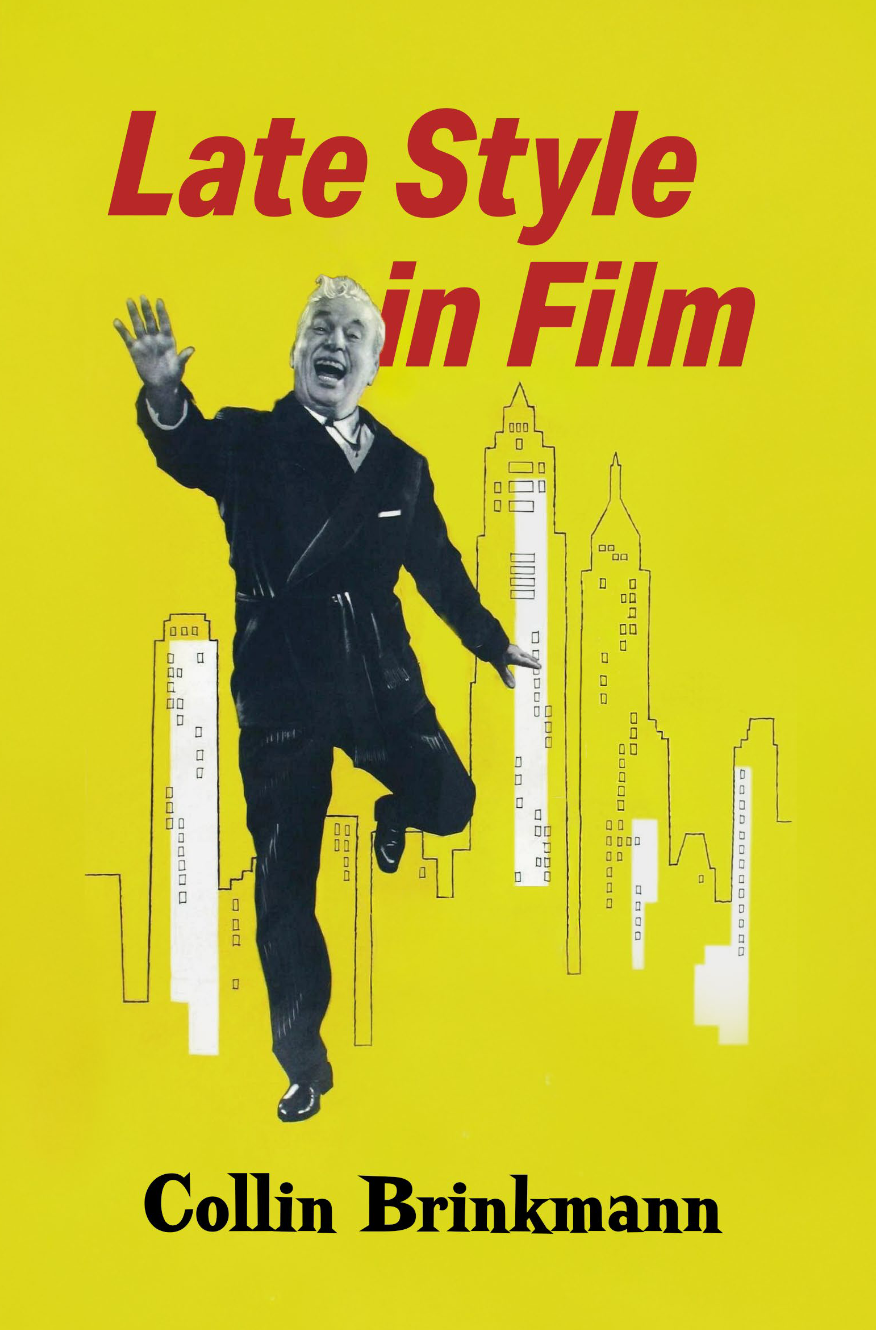
In an era obsessed with youth, novelty, and the myth of artistic decline, Late Style in Film offers a bold and illuminating reappraisal of what filmmakers achieve at the end of their careers. Taking as its starting point the contemporary fascination with late works by major directors — from octogenarian auteurs to veterans working against an ever-changing industry — this book argues that late films are not marginal curiosities or diminished afterthoughts, but some of the most revealing, personal, and formally adventurous works in cinema history. Drawing on film history, aesthetics, and broader traditions of late-style thought in music, literature, and art, Collin Brinkmann shows how late films often exist in a productive tension with their moment: at once out of step with prevailing trends and deeply shaped by the long artistic journeys that produced them. The result is a body of work frequently dismissed as “out of touch” but better understood as singular, idiosyncratic, and radically free.
Combining wide-ranging critical insight with close attention to filmmakers Howard Hawks, Charlie Chaplin, and Alfred Hitchcock, Late Style in Film challenges the entrenched narrative that artists inevitably “peak” in mid-career and thereafter taper off. Instead, it proposes a more nuanced and humane framework, one that treats late style not as decline or transcendence, but as a mode of evolution shaped by time, history, and changing artistic conditions. Eloquent and deeply cinephilic, this book is both an important contribution to film criticism and a manifesto for a new way of watching, one that looks beyond conventional measures of success to encounter films as living expressions of artists working, struggling, and reinventing themselves in the fullness of time.
Collin Brinkmann is a cinephile and writer from Waukesha, Wisconsin. His previous book-length work, Intimate Impressions: The Cinema of James Gray (2022), can be read for free on his blog.